Practical insights for better waste management.
Guidance and perspectives from Plenser Waste Management to help organisations make informed decisions about waste, compliance and responsible handling.
Healthcare Waste Management in Kenya: What Every Facility Should Get Right
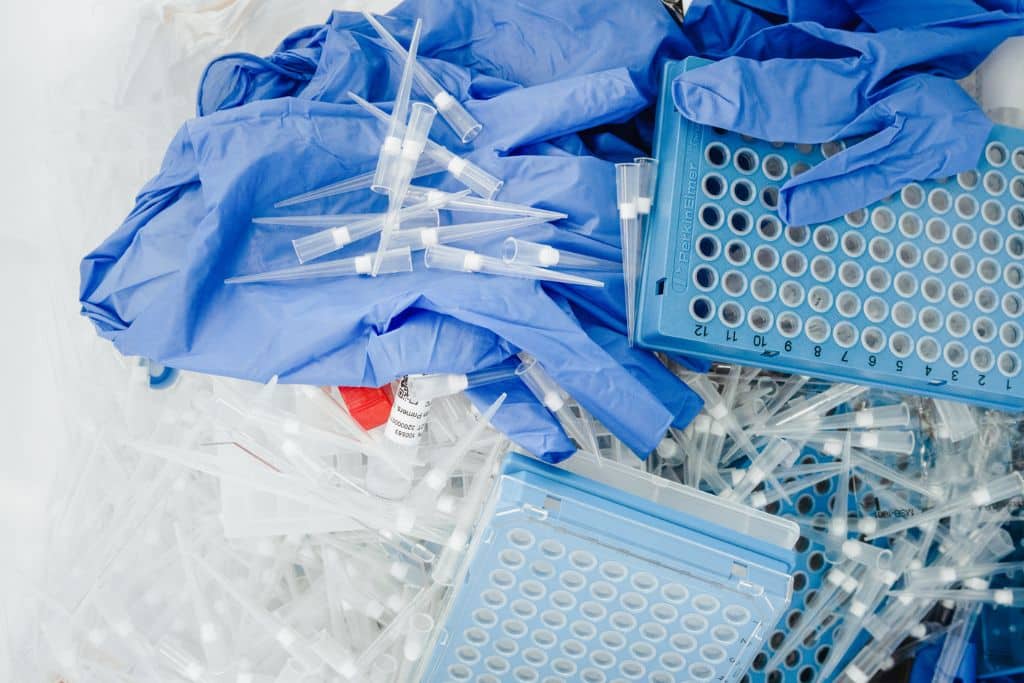
Healthcare facilities generate waste that requires more than ordinary disposal. From used sharps and contaminated materials to pharmaceutical and other potentially hazardous waste, poor handling can expose healthcare workers, patients, waste handlers and the wider community to unnecessary risk.
Good healthcare waste management therefore starts long before a waste collection vehicle arrives.
It requires a clear process covering how waste is separated, stored, collected, transported, treated and finally disposed of.
At Plenser Waste Management, we believe that process should also be easy for the client to understand and account for.
1. Start with proper waste segregation
One of the most important steps happens at the point where waste is generated.
Different types of waste should be identified and separated appropriately instead of being mixed together. This helps reduce unnecessary exposure, makes subsequent handling safer and supports the correct treatment method for each waste stream.
For healthcare facilities, this means having appropriate containers and clearly understood procedures in the areas where waste is generated.
Staff also need to understand what belongs where.
Even a well-designed waste management system can fail when the people using it every day have not been properly informed or trained.
2. Pay particular attention to sharps
Needles, blades and other sharps present an obvious injury and infection risk.
They should be placed in appropriate sharps containers immediately after use rather than being mixed with other waste or left where somebody may accidentally come into contact with them.
Containers should also be handled correctly once they are ready for removal.
A simple rule is important: the safer the process is at the point of generation, the safer the rest of the waste journey becomes.
3. Store healthcare waste safely before collection
Waste does not stop being a responsibility simply because it has left the treatment room.
Facilities need an appropriate temporary storage process while waste awaits collection.
The storage area should help prevent unauthorised access, accidental exposure and inappropriate mixing of different waste streams.
Collection frequency should also match the facility’s waste volumes and operational needs. Waste should not simply accumulate until somebody remembers to arrange a collection.
A predictable collection schedule makes the process easier to manage.
4. Know what happens after collection
This is where healthcare waste management can sometimes become unclear.
A waste management provider should not simply collect waste and make it disappear from the client’s view.
The organisation generating the waste should understand the journey that follows.
At Plenser Waste Management, our approach is built around a clear chain of custody:
Collection → Transportation → Treatment → Final Disposal
Each stage matters.
Waste needs to be collected appropriately, transported responsibly and directed to the appropriate treatment or disposal process.
This gives organisations greater confidence that their responsibility is being managed beyond their premises.
5. Keep proper documentation
Good waste management is not only about physically handling waste.
Documentation matters too.
Healthcare facilities may need records showing how waste was collected, moved, treated or disposed of.
These records can support internal accountability, audits, compliance processes and management reporting.
Rather than trying to reconstruct information later, documentation should form part of the waste management process from the beginning.
This is one reason Plenser Waste Management places significant emphasis on traceability and clear records.
6. Train the people who interact with waste
A waste management procedure sitting in a file is not enough.
The people generating, moving and supervising waste need to understand their role in the process.
Training can help staff understand issues such as:
- correct segregation practices;
- handling of sharps and potentially hazardous materials;
- use of appropriate waste containers;
- what to do when a spill or unusual situation occurs; and
- when to escalate a waste management concern.
Small improvements in everyday behaviour can make a significant difference to the safety of the overall system.
7. Review your waste management process regularly
Healthcare environments change.
Patient numbers may increase. New services may be introduced. Waste volumes may change. Different types of waste may begin to appear.
The waste management system should therefore be reviewed periodically rather than treated as something that is set up once and forgotten.
Useful questions include:
Are we segregating waste correctly?
Is our collection schedule still appropriate?
Can we account for our waste after collection?
Are our records easy to retrieve?
Do staff understand the current procedures?
If the answer to any of these is unclear, there may be an opportunity to strengthen the process.
From waste collection to accountability
Ultimately, healthcare waste management should give a facility confidence that its waste is being handled responsibly from the moment it is generated through to its final treatment or disposal.
That requires more than a truck and a collection schedule.
It requires safe handling, reliable collection, appropriate treatment, clear documentation and accountability throughout the waste journey.
Plenser Waste Management works with healthcare facilities and other organisations to make that journey simpler, safer and easier to account for.
Need help reviewing your healthcare waste management process?
Whether you need scheduled waste collection, treatment and disposal support, documentation or guidance on improving your current processes, Plenser Waste Management can help you identify a practical solution for your organisation.
Talk to Our Team →
Responsible waste management starts with clear processes, good information and accountability at every stage.